Understanding the psychology behind gambling behavior in casinos
The Allure of Gambling
Gambling in casinos captivates millions of individuals worldwide, driven by a complex interplay of psychological factors. The thrill of risk-taking, combined with the potential for reward, creates an irresistible environment. The excitement found in placing bets, whether on a spinning roulette wheel or a hand of blackjack, taps into our innate desire for unpredictability and surprise. For those interested in exploring unique gaming options, the Duel Casino offers an innovative approach to wagering. This allure often leads individuals to participate in gambling as a form of entertainment, reflecting a broader human fascination with chance and fortune.
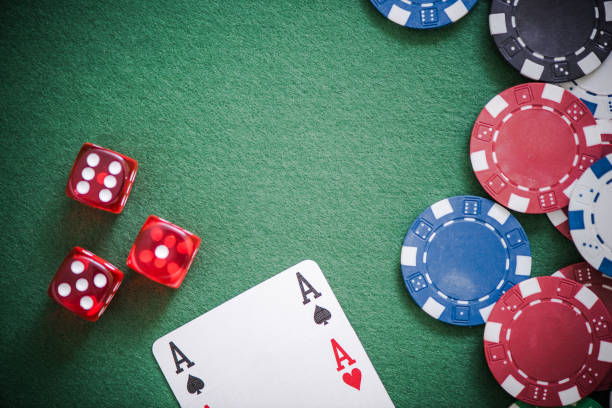
Moreover, casinos are meticulously designed to enhance this allure. The vibrant lights, captivating sounds, and strategic layouts of gaming floors create an immersive experience that stimulates the senses. Such environments often trigger the brain’s reward system, releasing dopamine, a neurotransmitter associated with pleasure. This chemical reaction can lead to feelings of euphoria, reinforcing the desire to keep playing. As a result, many gamblers find themselves drawn into a cycle of continuous play, seeking to recapture that initial thrill.
Additionally, the social aspect of gambling plays a significant role in its appeal. Casinos offer a communal experience where individuals can interact, share stories, and even celebrate wins together. This social bonding can create a supportive atmosphere that encourages further participation. The combination of social interaction and the possibility of monetary gain creates a powerful motivation for individuals to engage in gambling activities, thus deepening their connection to the casino environment.
The Role of Cognitive Biases
Cognitive biases significantly influence gambling behavior, often leading individuals to make irrational decisions. One prominent example is the illusion of control, where gamblers believe they can influence the outcome of games that are fundamentally based on chance. For instance, players may think that their strategy or techniques can sway the results in their favor. This misconception can lead to overconfidence and an increased likelihood of betting larger amounts, perpetuating the cycle of gambling.
The gambler’s fallacy is another cognitive bias that can impact decision-making. This phenomenon occurs when individuals believe that past events influence future outcomes in games of chance, such as thinking a losing streak must be followed by a win. Such beliefs can lead players to chase losses, further entrenching them in the gambling cycle. Understanding these biases is crucial for both gamblers and casino operators in developing effective strategies to promote responsible gaming.
Moreover, cognitive dissonance can arise when gamblers experience conflicting feelings about their gambling activities. For instance, a player may feel guilty about their losses but simultaneously justify their behavior by focusing on their occasional wins. This mental conflict can lead to a skewed perception of their gambling habits and may hinder their ability to recognize when it’s time to stop. Recognizing these biases is essential for promoting healthier gambling behaviors and mitigating the risks associated with excessive gaming.
Emotional Factors in Gambling
Emotions play a pivotal role in gambling behavior, significantly affecting decision-making processes. Many individuals turn to gambling as a means of coping with stress, anxiety, or other negative emotions. The adrenaline rush and excitement of gambling can temporarily distract players from their problems, providing a fleeting escape. However, this emotional relief can lead to an unhealthy reliance on gambling as a coping mechanism, resulting in further emotional and financial distress.
Additionally, the emotional highs and lows associated with gambling can create a rollercoaster effect that keeps players engaged. The thrill of winning can evoke intense feelings of happiness, while losses can lead to disappointment and frustration. These fluctuations can lead to a heightened emotional investment in the activity, making it difficult for players to step away. Understanding this emotional component is crucial for individuals looking to maintain a balanced relationship with gambling.
Furthermore, casinos often leverage emotions to enhance the gaming experience. Promotions, rewards, and celebratory events create a sense of urgency and excitement, drawing players into a more emotionally charged atmosphere. This strategic manipulation of emotions can amplify the desire to gamble, making it essential for players to remain aware of how their feelings influence their behavior in these environments.
Social Influences on Gambling Behavior
The social environment surrounding gambling can significantly impact individual behavior. Friends, family, and cultural norms can shape perceptions of gambling, influencing whether individuals view it as a legitimate form of entertainment or a risky endeavor. For instance, individuals who grow up in environments where gambling is celebrated may be more likely to engage in it themselves, viewing it as a social activity rather than a potential source of harm.
Peer influence can also play a critical role in gambling behavior. Many people are motivated to gamble based on the actions of their friends or social circles. When gambling is normalized within a group, individuals may feel pressure to participate, even if they have reservations. This social validation can lead to increased gambling frequency and intensity, potentially blurring the lines between casual play and problem gambling.
Social media further amplifies these influences, as individuals often share their gambling experiences online. This sharing can glamorize gambling, showcasing wins and exciting moments while downplaying potential losses or negative consequences. Such portrayals can create unrealistic expectations and encourage gambling among viewers who may not fully understand the risks involved. Recognizing the impact of social influences is essential for fostering responsible gambling behaviors and promoting awareness of its potential dangers.

Responsible Gambling and Resources
Understanding the psychology behind gambling behavior is crucial for promoting responsible gaming. Many resources are available to help individuals recognize and mitigate the risks associated with gambling. Educational programs, support groups, and counseling services can provide valuable insights into the psychological factors that contribute to gambling behavior. Such resources can empower individuals to make informed decisions and develop healthier habits.
Furthermore, casinos themselves are increasingly adopting responsible gambling initiatives. Many establishments implement self-exclusion programs, allowing individuals to limit their access to gaming activities. Additionally, staff are often trained to identify signs of problem gambling and intervene when necessary. These measures aim to create a safer environment for all players, ensuring that the thrill of gambling does not come at the expense of an individual’s well-being.
Ultimately, a balanced approach to gambling, combined with awareness of psychological influences, can lead to a more enjoyable and safer experience. Individuals must be proactive in educating themselves about the dynamics of gambling behavior, utilizing available resources to help navigate the complexities of the gaming world. Emphasizing responsible gambling practices can foster a healthier relationship with this popular form of entertainment.