Myths and misconceptions in gambling What you need to know
The Myth of “Hot” and “Cold” Machines
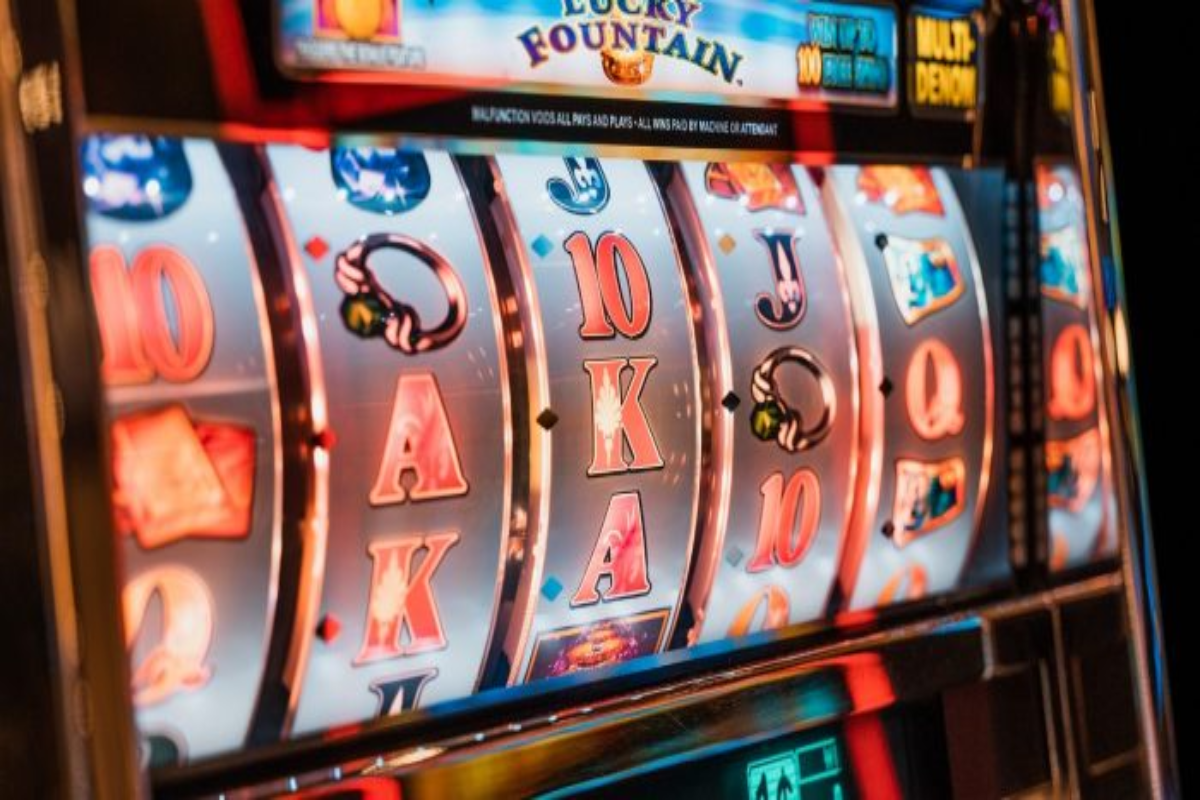
One of the most prevalent myths in gambling, particularly in slot machines, is the belief in “hot” and “cold” machines. Many players assume that if a machine has recently paid out a large jackpot, it is less likely to do so again in the near future. Conversely, some believe that machines that have not paid out for a while are “due” for a win. This misconception stems from a misunderstanding of how random number generators work. In reality, each spin is independent and has no relation to previous spins. By understanding these principles, players can check here for tips that enhance their gaming strategies.

This false belief often leads players to make decisions based on emotion rather than strategy, affecting their bankroll management. Understanding that every machine operates on randomness can help players make more informed choices, thereby enhancing their gaming experience and potentially improving their outcomes.
The Gambler’s Fallacy
The gambler’s fallacy is a psychological phenomenon where players believe that past events affect future probabilities in random games. For instance, if a roulette wheel lands on red several times in a row, some players might think that black is now more likely to come up. This is simply not true, as each spin of the wheel is independent of the last. The odds remain constant regardless of previous results.
This fallacy can lead to poor betting decisions, as players may wager more in the hopes of compensating for perceived “losses” or incorrectly predicting outcomes based on past results. Recognizing this fallacy is crucial for developing a rational approach to gambling, focusing instead on understanding the odds and making decisions based on mathematical reality rather than superstition.
Myth of the Lucky Charm or Strategy
Many gamblers believe that specific objects or rituals can bring them luck, from wearing a certain shirt to carrying a special coin. While these lucky charms can create a sense of comfort or confidence, they have no impact on the actual odds of winning. Luck is inherently random, and no strategy or charm can change the mathematics behind games of chance.
Additionally, some players invest time in developing elaborate strategies, convinced that they can outsmart the game. While strategies can improve gameplay in certain skill-based games, they do not alter the inherent house edge in casino games. It’s important to enjoy gambling for the entertainment value it provides while remaining aware of the random nature of the games.
The Illusion of Control in Games of Chance
Many players fall into the trap of thinking they can control outcomes in games of chance, such as poker or slots. While there are elements of skill in poker, for example, the overall outcome is influenced by luck. Even seasoned players cannot predict how other players will act or how the cards will fall. This belief can lead to overconfidence and poor decision-making.
Acknowledging the limits of control can help players make better choices and manage their expectations. Instead of trying to control every aspect of the game, focusing on improving skills where applicable can lead to a more enjoyable experience. It’s crucial to approach gambling with the mindset that it is primarily a game of chance.
Understanding Responsible Gaming on Our Platform
At Aviator Game India 2026, we prioritize responsible gaming and aim to dispel common myths surrounding gambling. Our platform provides accurate information and helpful resources for players to make informed decisions. We encourage a balanced approach to gambling, emphasizing that entertainment should be the primary goal.
We also offer tools and guidance to help players manage their gaming habits effectively, ensuring a safe and enjoyable experience. By focusing on transparency and education, we strive to create a community where players can enjoy the thrill of gaming while understanding the realities of chance and probability.